Powell Electronic Inc.
Electronic Design Consulting.
A consultant and service provider for customers looking to create consumer devices — from first concept and prototype through validated, production-ready hardware and firmware.
Electronic Design Consulting.
A consultant and service provider for customers looking to create consumer devices — from first concept and prototype through validated, production-ready hardware and firmware.
I started consulting in 2019, after nearly twenty years as a senior electronics developer. That background spans the full arc of a product — architecture and schematic, PCB layout, firmware, bring-up, validation, and the unglamorous work of making hardware survive manufacturing and the field.
Most of my work comes from repeat customers. I take on new projects selectively, where there's genuine mutual interest and where deep, hands-on development actually moves the product forward — not just more hours.
The result is a small, direct working relationship: you talk to the developer doing the work, decisions are grounded in real trade-offs, and the deliverable is hardware that ships.

A look at three recent projects — from the problem on the bench to the hardware in the field.
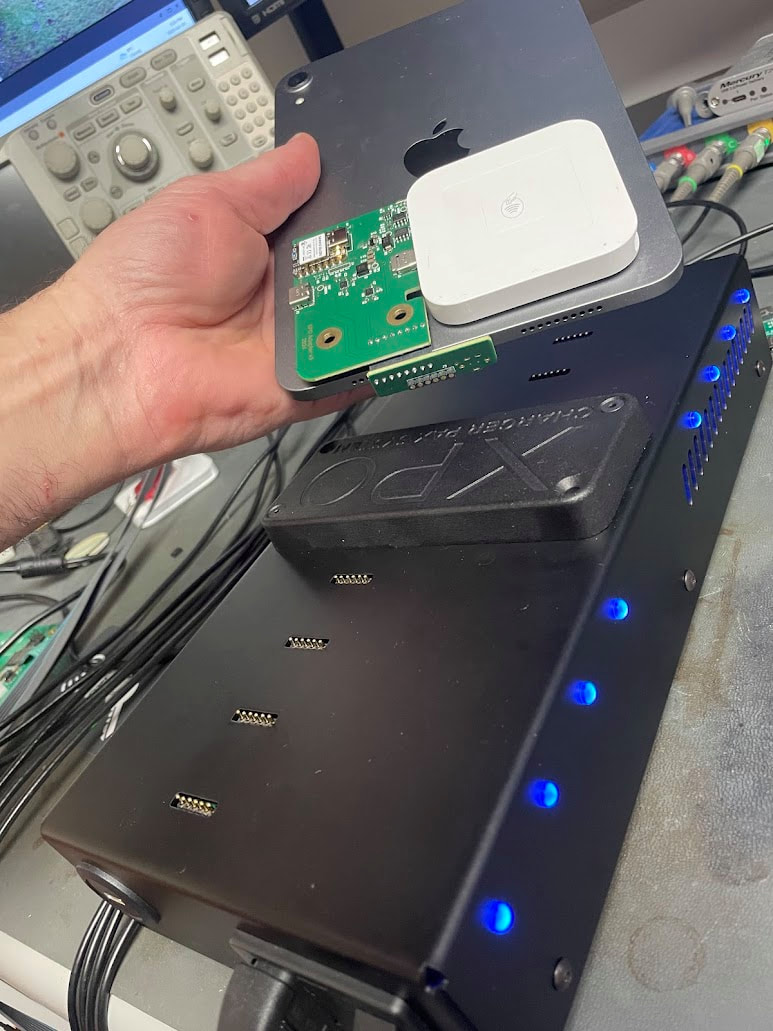
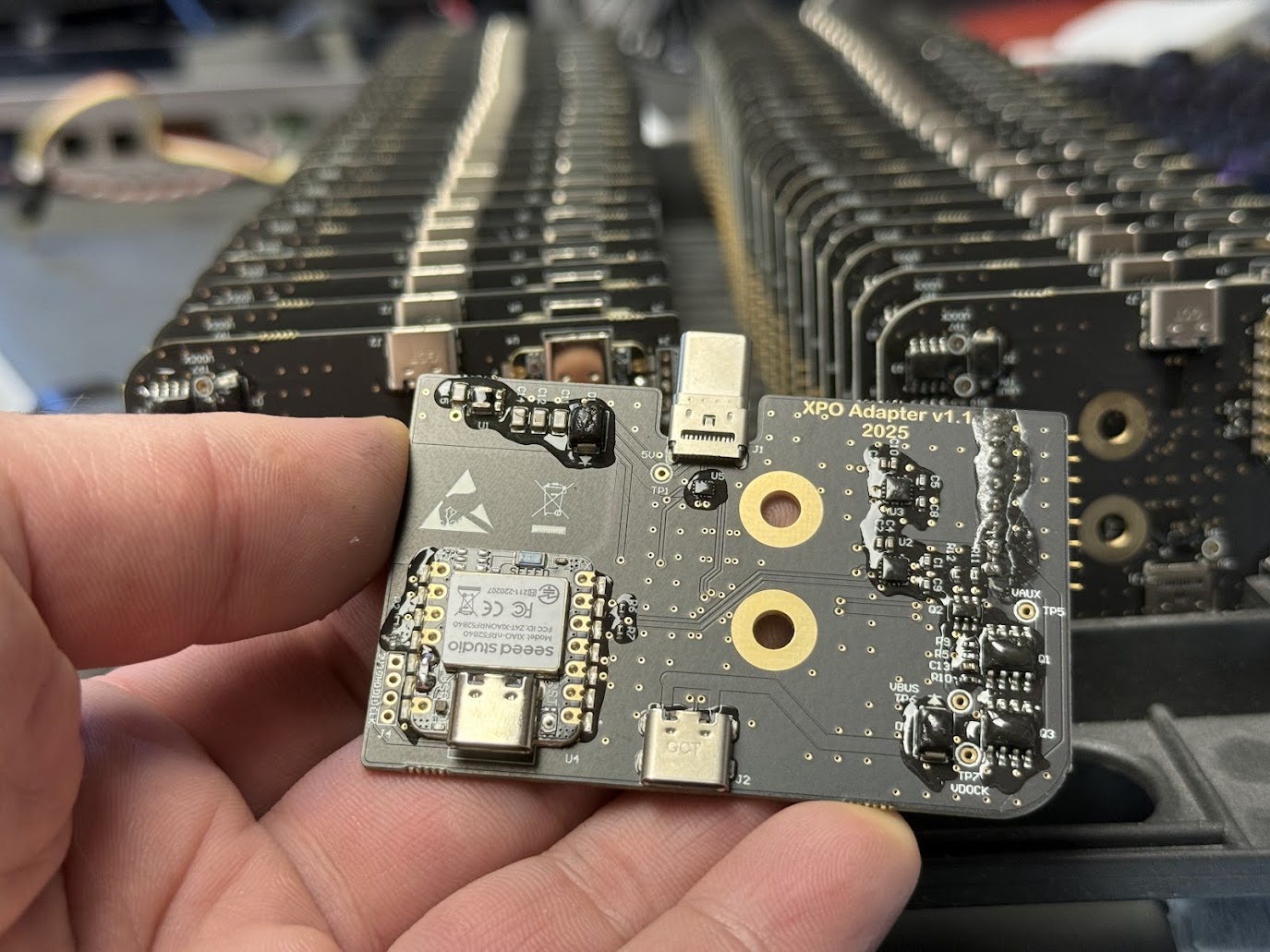
A custom USB Power Delivery hub for a point-of-sale system. The hub sits between a tablet and a Square Reader, managing power negotiation and routing USB data between the two devices so the terminal stays charged and online through a full retail day.
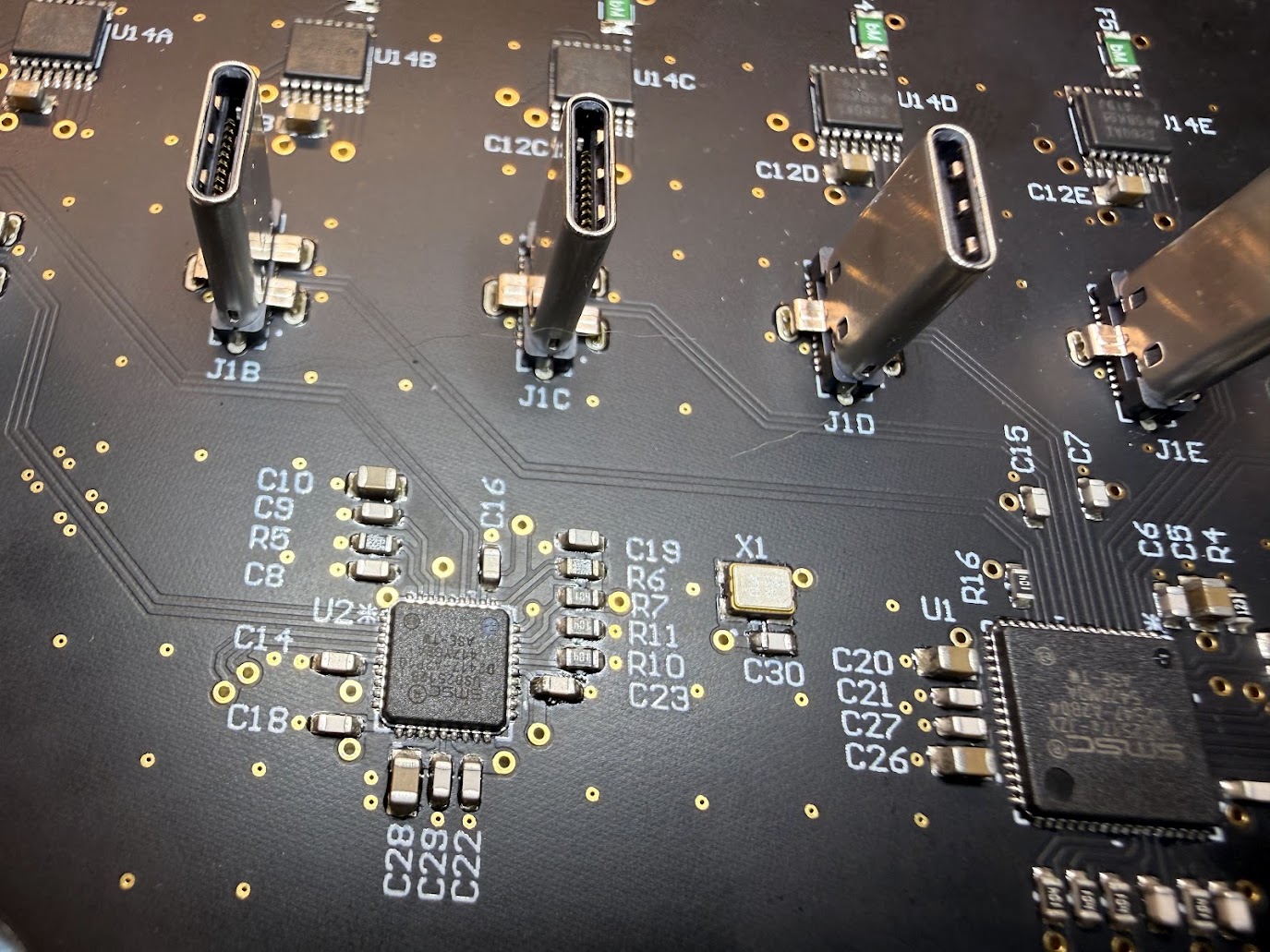
The design dynamically negotiates PD power roles, keeps legacy devices charging via BC 1.2, and runs on Zephyr RTOS firmware — all packaged into compact, reliable hardware built for continuous commercial use.
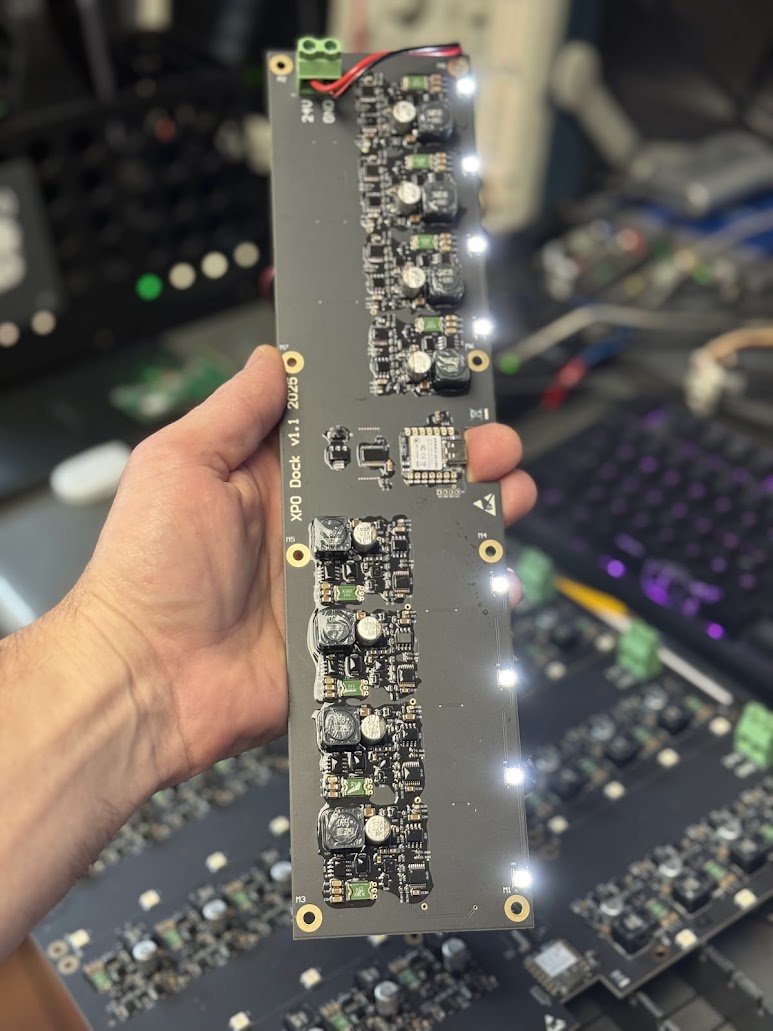
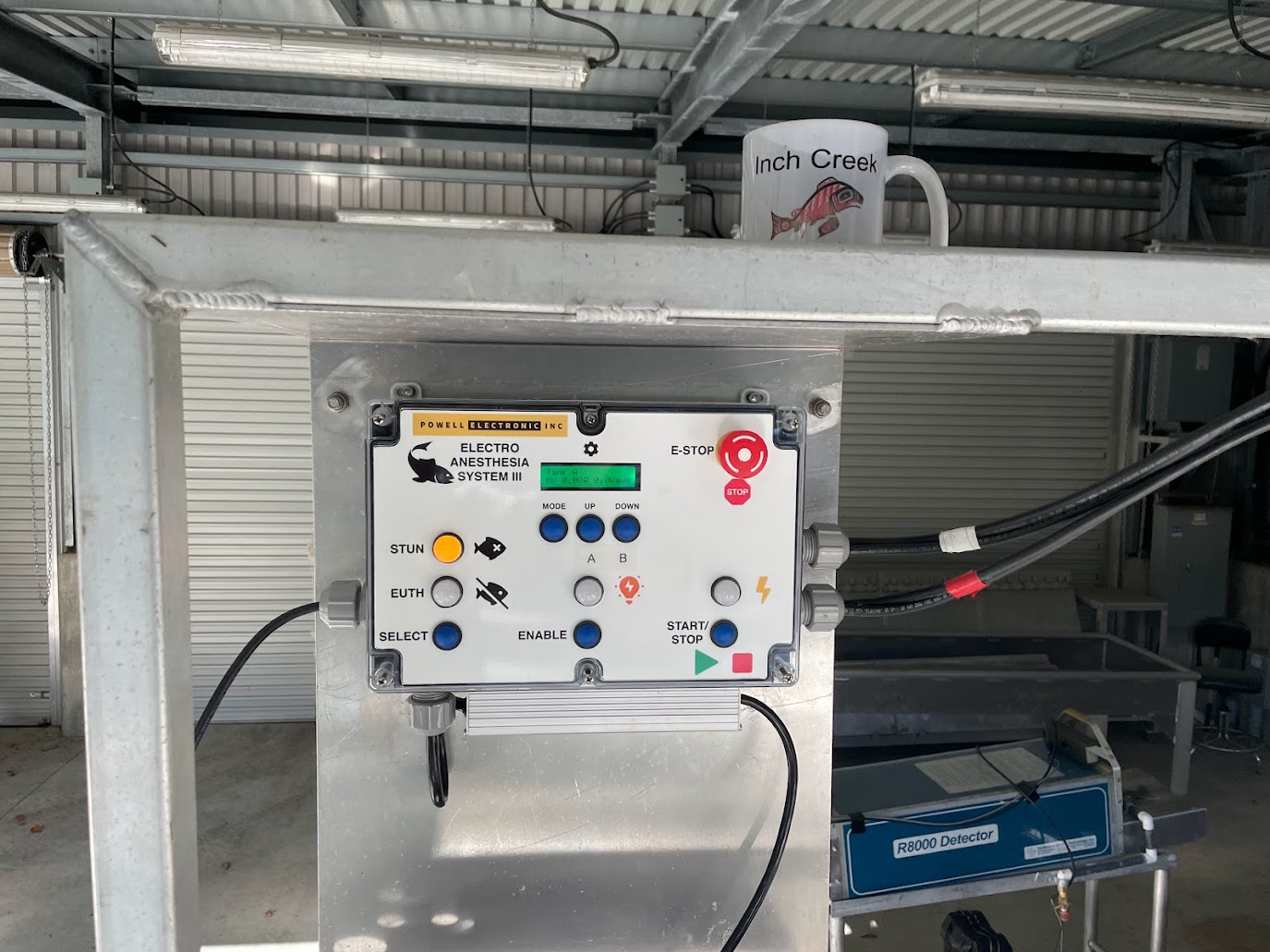
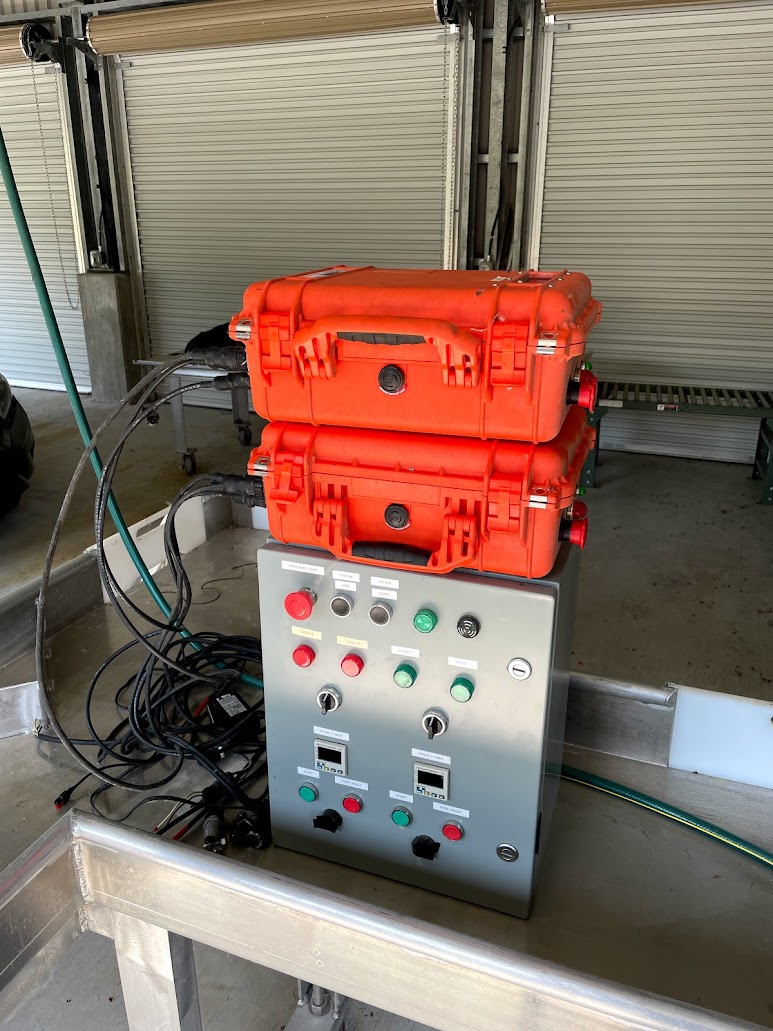
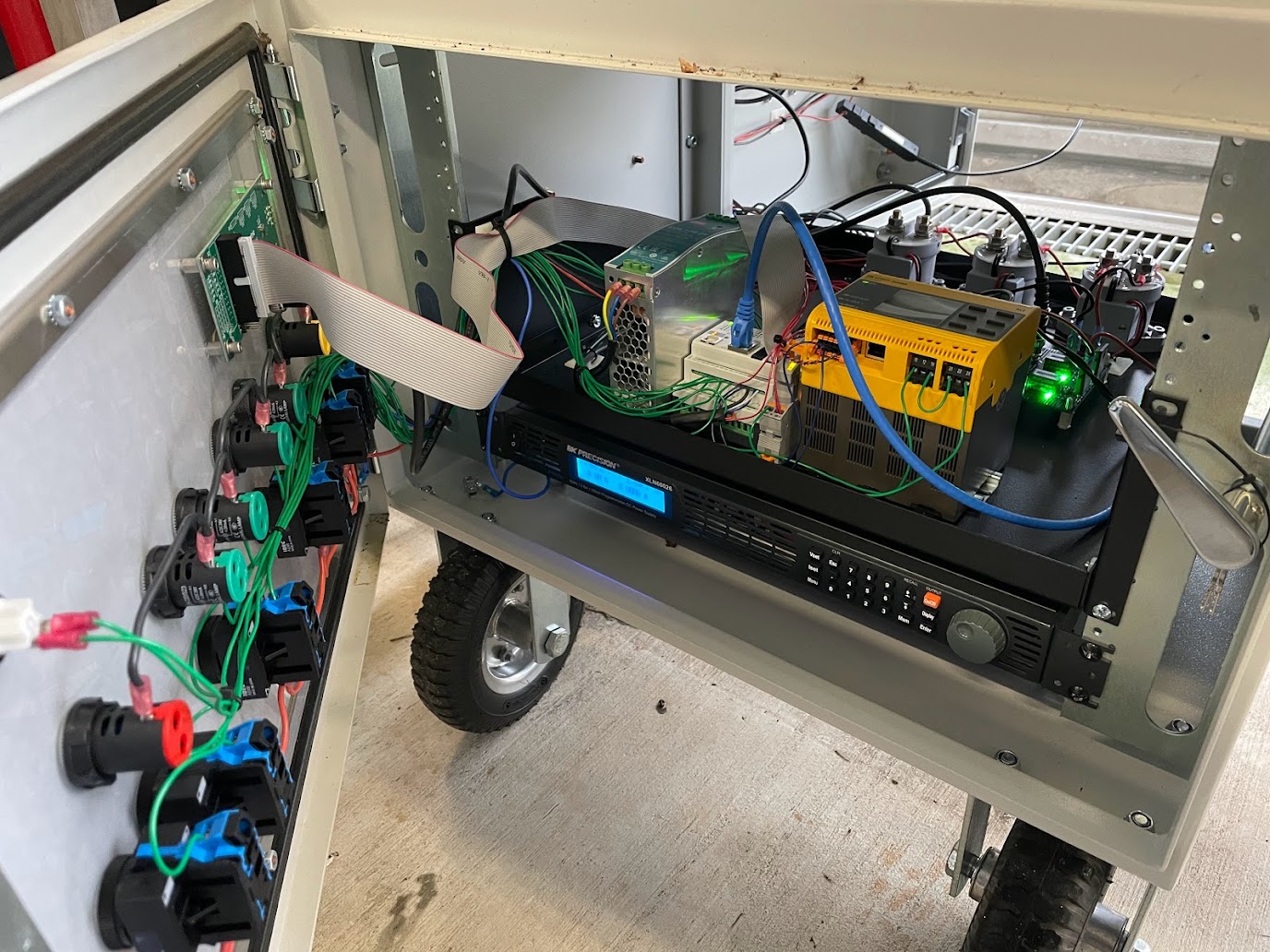
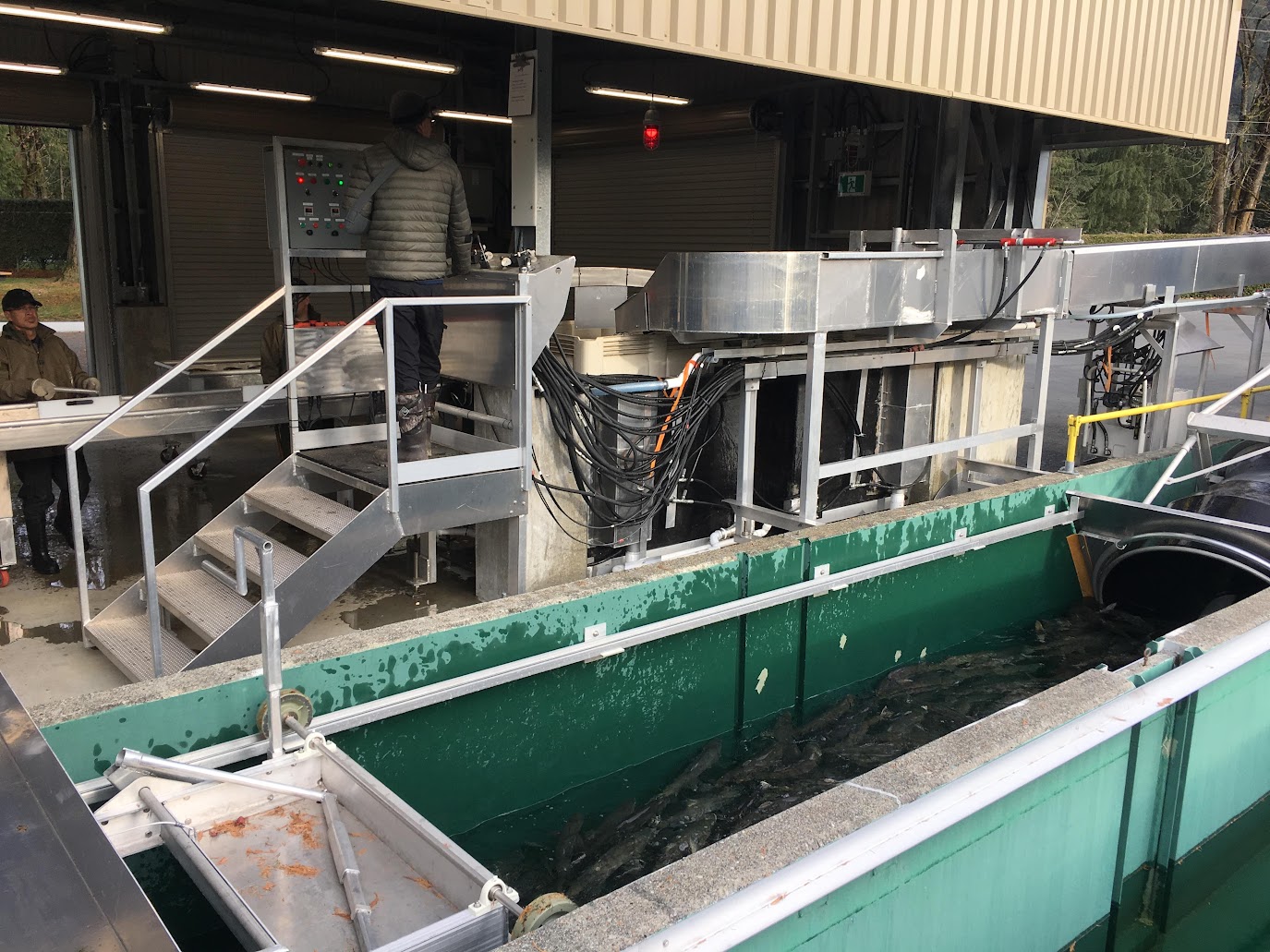
An isolated power supply for the humane electro-euthanasia of salmonids at Inch Creek Hatchery in Mission, BC. The hatchery's off-the-shelf units were unreliable and awkward to service in a wet, demanding environment.
I replaced them with a smaller, simpler, more robust custom solution — a properly isolated supply built for safety and repeatable operation, with fewer parts to fail and a footprint that fits the way the hatchery actually works.
Houseplants don't share a schedule. The cactus wants forgetting, the fern wants steady, and a single reservoir on a timer treats them all the same — which is why the usual answer either drowns half the room or dries out the other half. Pluvio is an indoor watering instrument that runs its own line to every pot and doses each one on its own terms. The pitch fits on one line: rain, with a brain.
Unlike the work above, this one is ours. PluvioGrow is Powell Electronic's own venture rather than a client engagement — the electronics, firmware, enclosure design, and the patent filing are all in-house. The unit is USB-C powered, carries an on-body LCD, serves its own web UI from the device, and fans a web of clear tubing out to the plants. It is a working prototype today, not a product: installed, running, and still changing.
Prototype imagery — final media pending.
A cross-section of past projects — design, prototyping, compliance, and production across consumer, industrial, and connected hardware.


From the connected-product architecture down to the copper — and out to the field where it has to work.
Architecture and design for connected products and their cloud/edge interfaces.
Robust over-the-air update paths with safe rollback and field recovery.
PD role negotiation, BC 1.2, and power-path design for modern devices.
Fast, credible prototypes to de-risk a concept before committing.
Clean schematics and manufacturable, signal- and power-aware layouts.
Cost, sourcing, lifecycle, and second-source strategy for production.
Bare-metal and RTOS firmware, written and validated against the hardware.
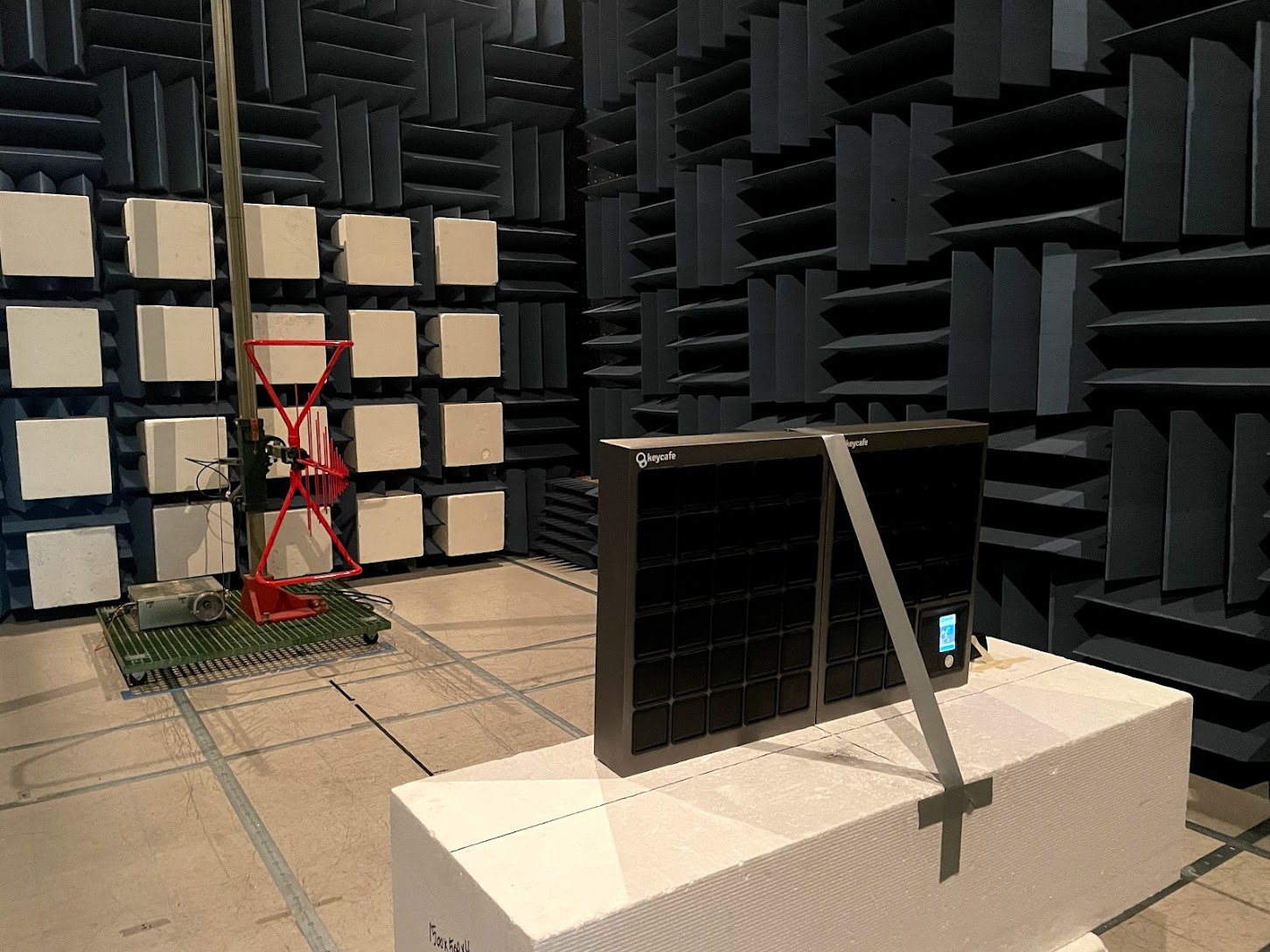
Design-for-compliance and support through certification testing.
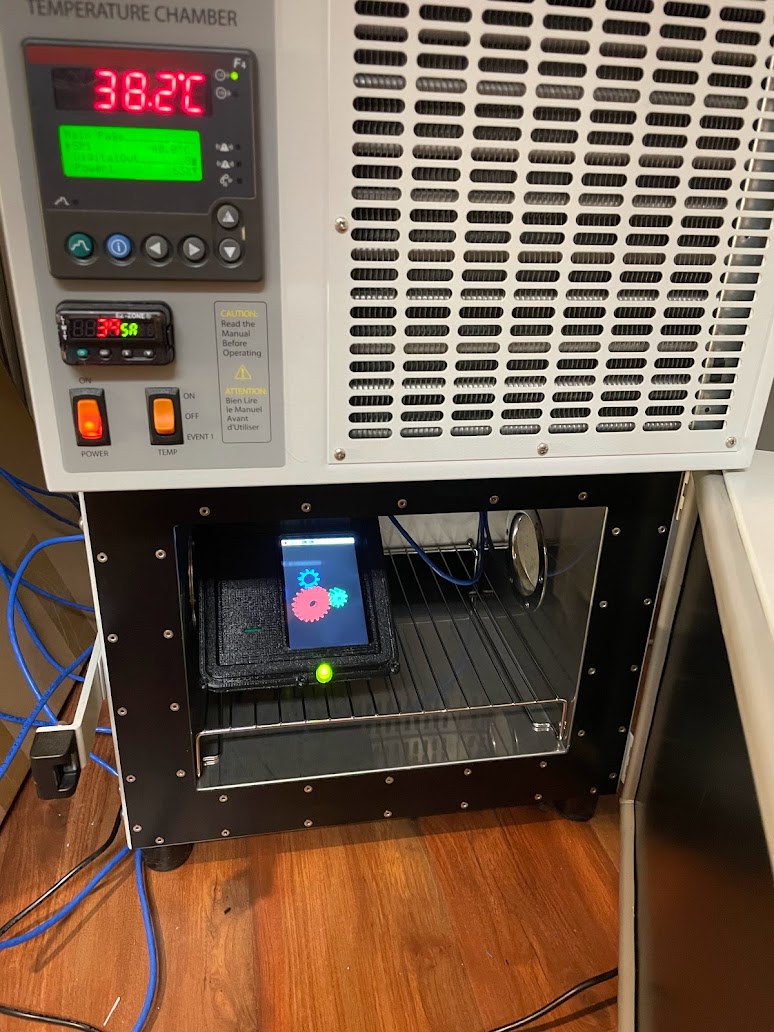
Designing for — and verifying against — real operating conditions.
Integrating electronics with enclosures, connectors, and mechanisms.
Bringing devices into industrial and home automation ecosystems.
Recovering, documenting, and extending undocumented or legacy designs.
Hands-on commissioning and field support where the hardware lives.


Tell me about the device, the problem, and where it is today. If it's a good fit, I'll tell you how I'd approach it — and if it isn't, I'll say so.