Powell Electronic Inc.
Electronic Design Consulting.
A consultant and service provider for customers looking to create consumer devices — from first concept and prototype through validated, production-ready hardware and firmware.
Electronic Design Consulting.
A consultant and service provider for customers looking to create consumer devices — from first concept and prototype through validated, production-ready hardware and firmware.
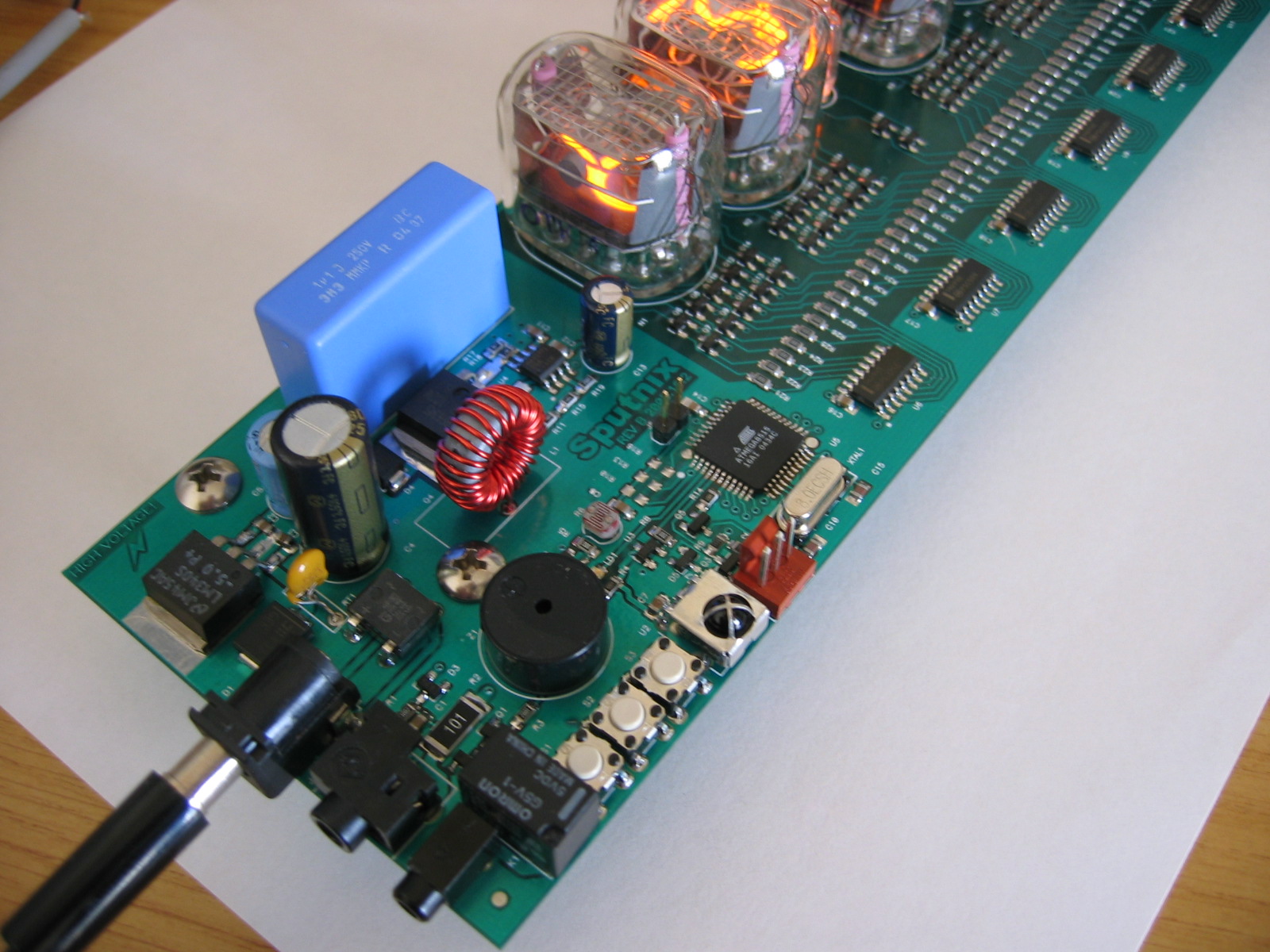
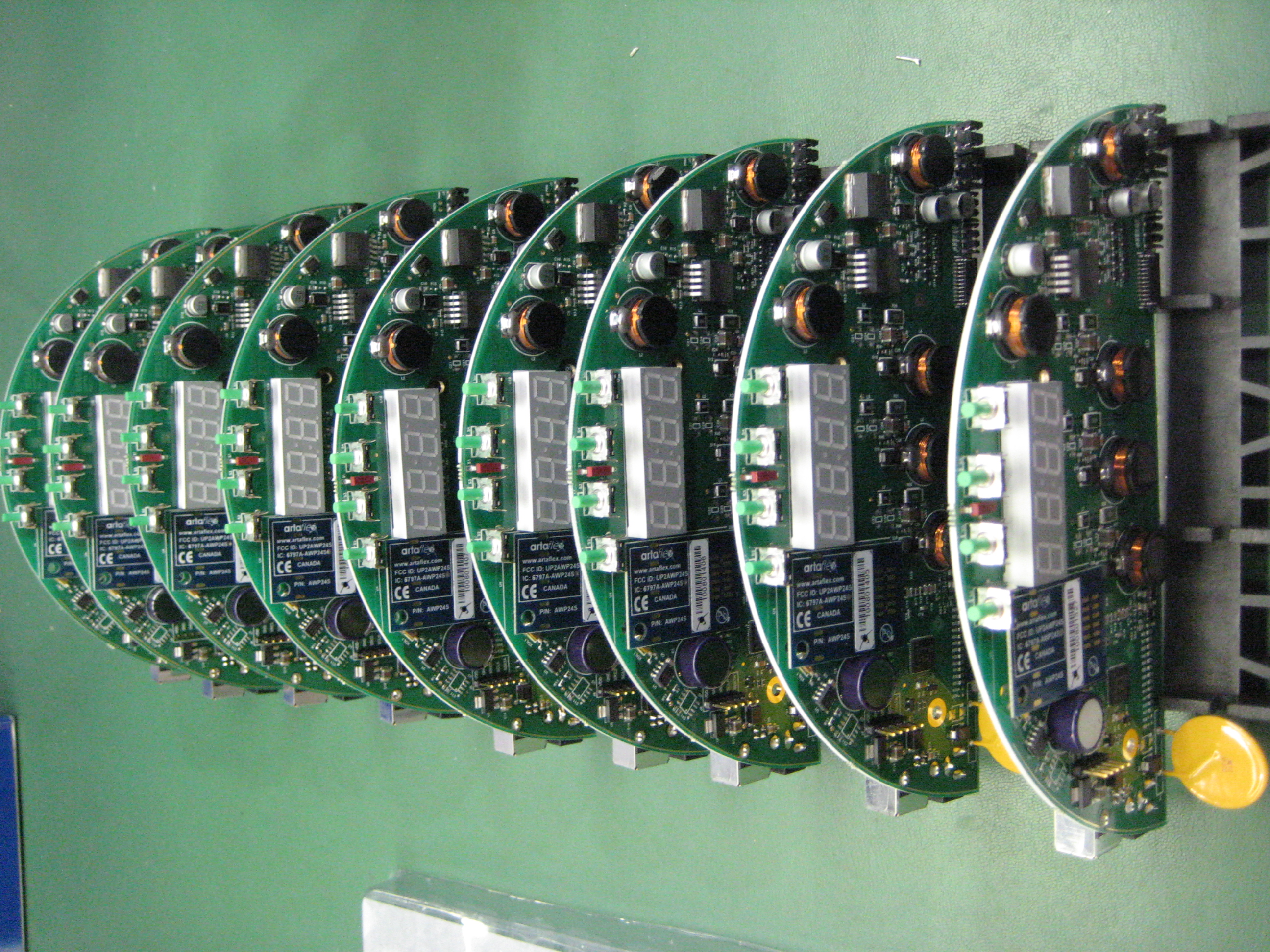
I started consulting in 2019, after nearly twenty years as an electronics design engineer. That background spans the full arc of a product — architecture and schematic, PCB layout, firmware, bring-up, validation, and the unglamorous work of making hardware survive manufacturing and the field.
Most of my work comes from repeat customers. I take on new projects selectively, where there's genuine mutual interest and where deep, hands-on engineering actually moves the product forward — not just more hours.
The result is a small, direct working relationship: you talk to the engineer doing the work, decisions are grounded in real trade-offs, and the deliverable is hardware that ships.

A look at two recent projects — from the problem on the bench to the hardware in the field.
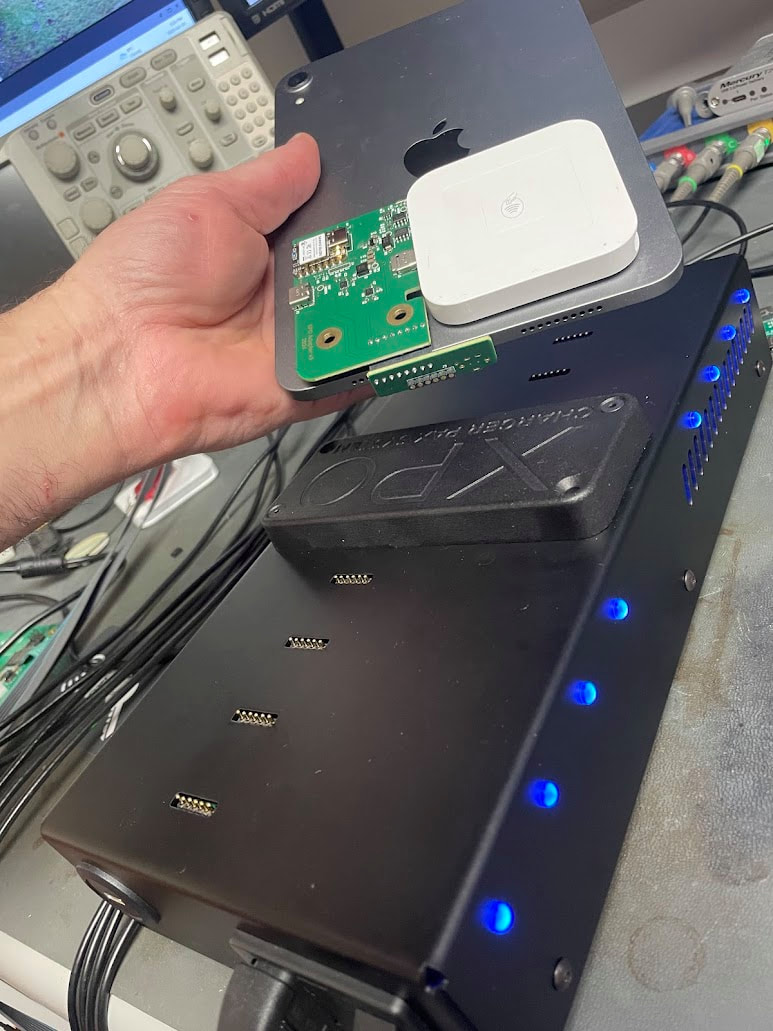
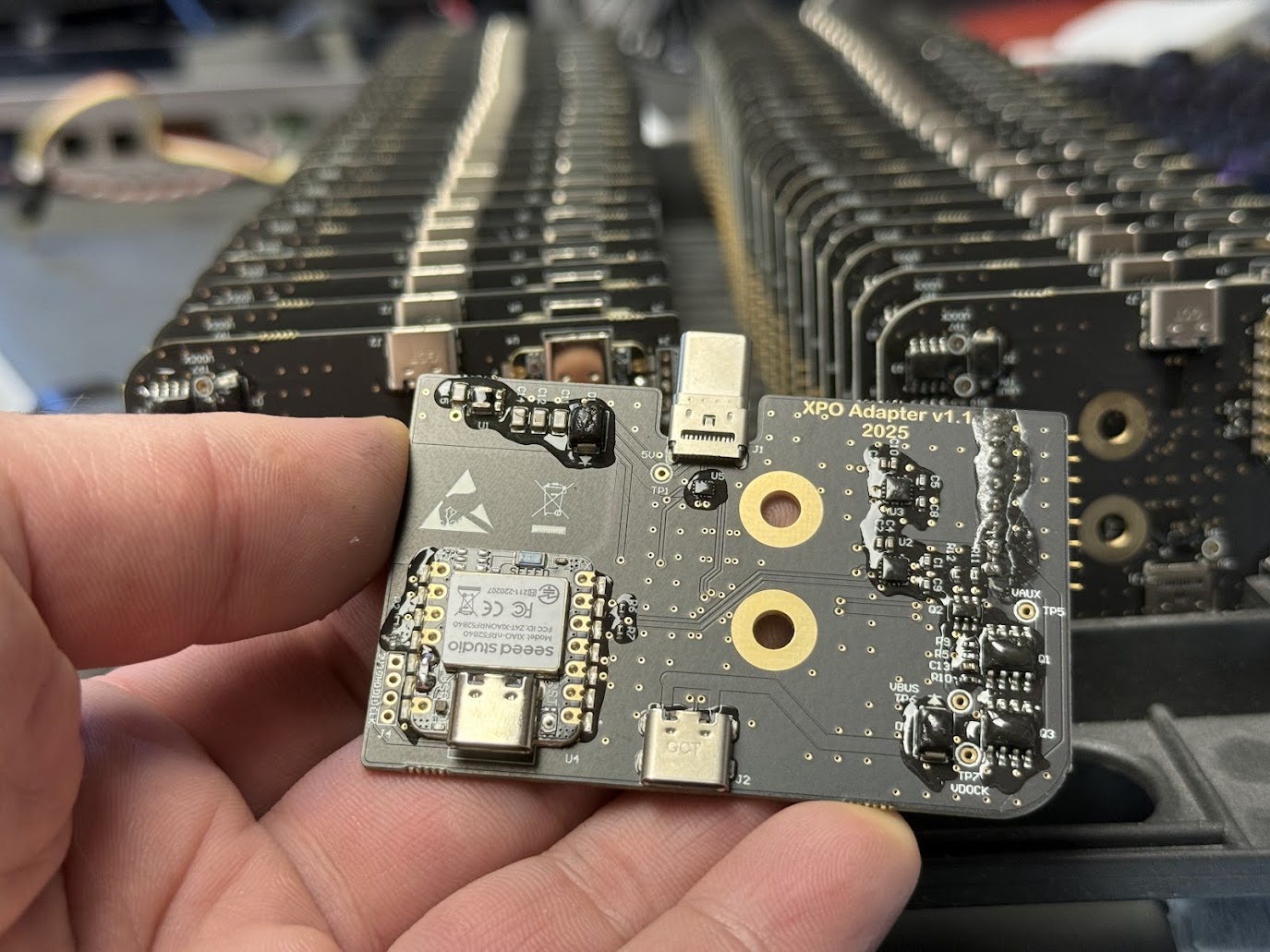
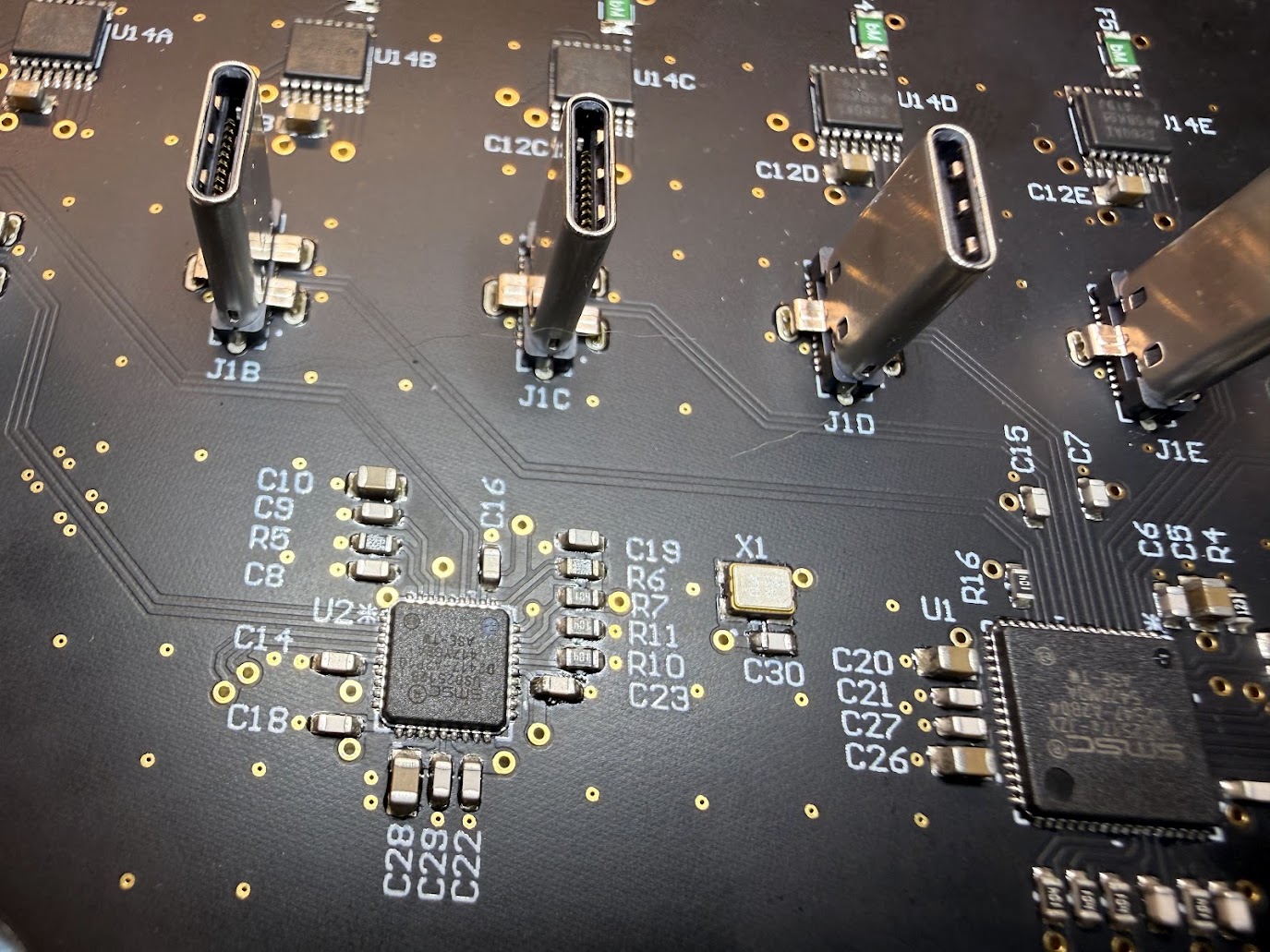
A custom USB Power Delivery hub for a point-of-sale system. The hub sits between a tablet and a Square Reader, managing power negotiation and routing USB data between the two devices so the terminal stays charged and online through a full retail day.
The design dynamically negotiates PD power roles, keeps legacy devices charging via BC 1.2, and runs on Zephyr RTOS firmware — all packaged into compact, reliable hardware built for continuous commercial use.
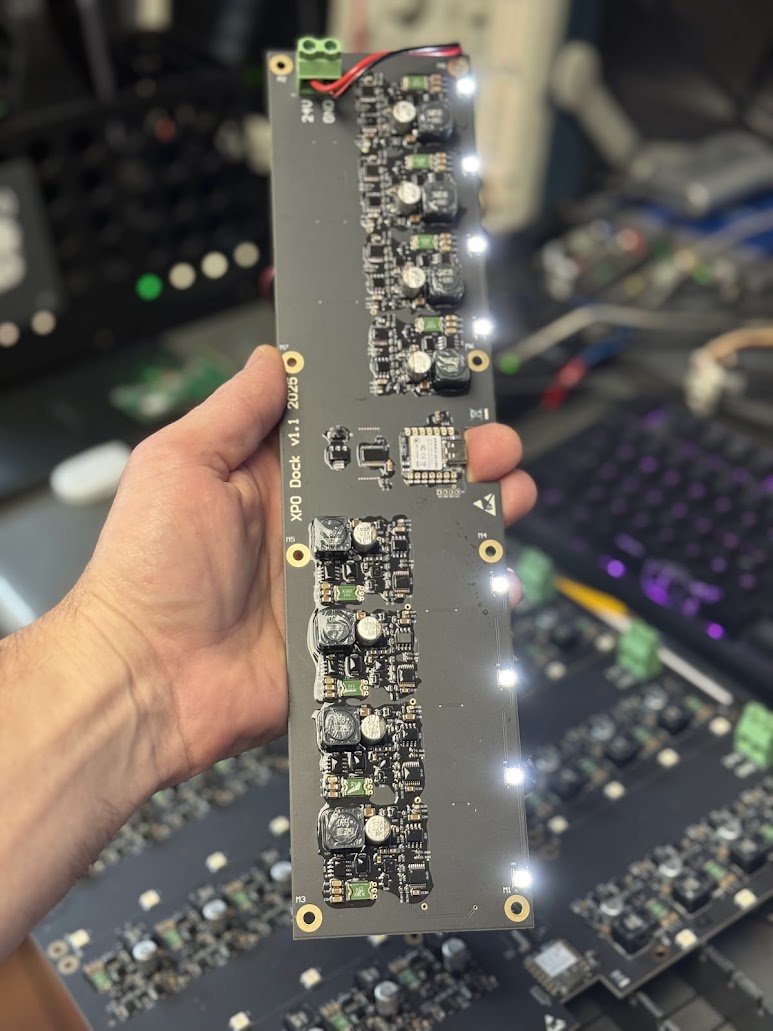
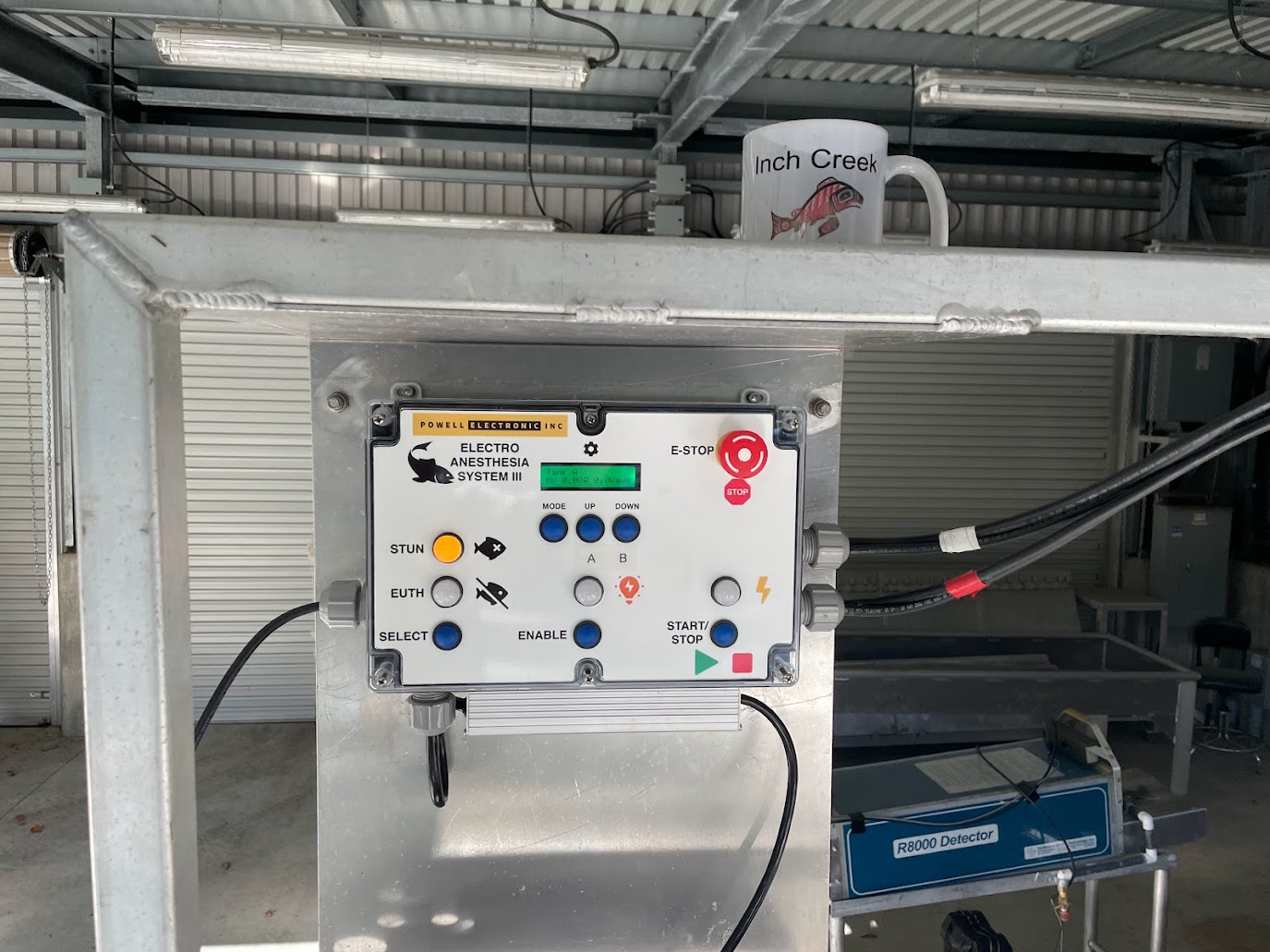
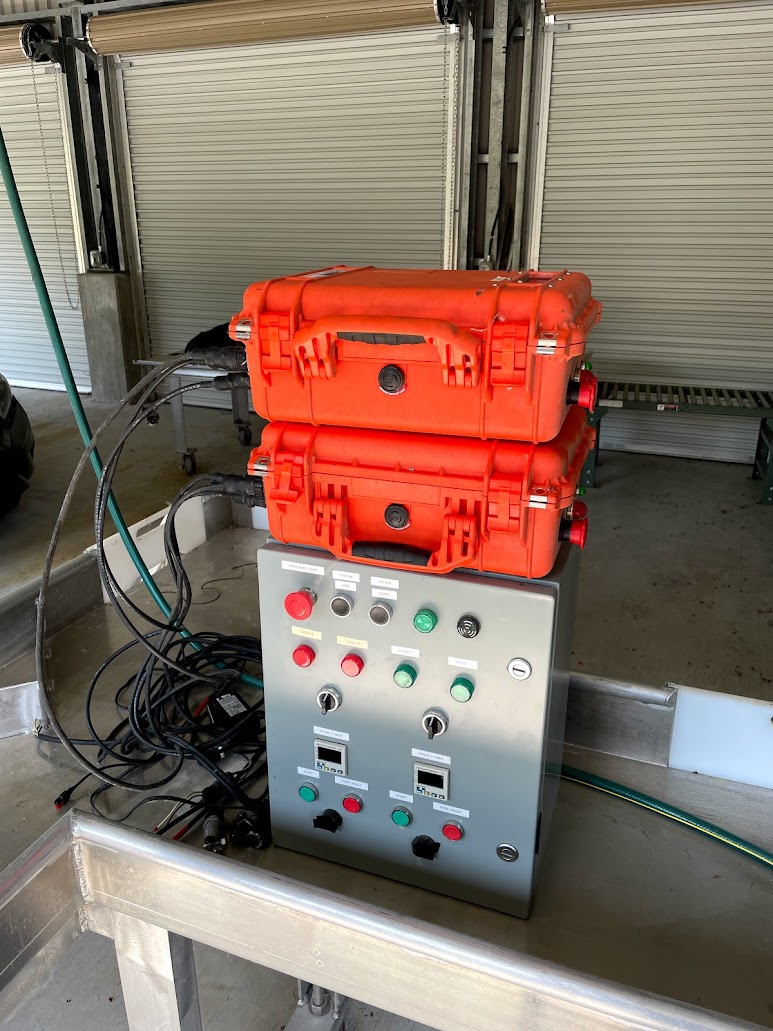
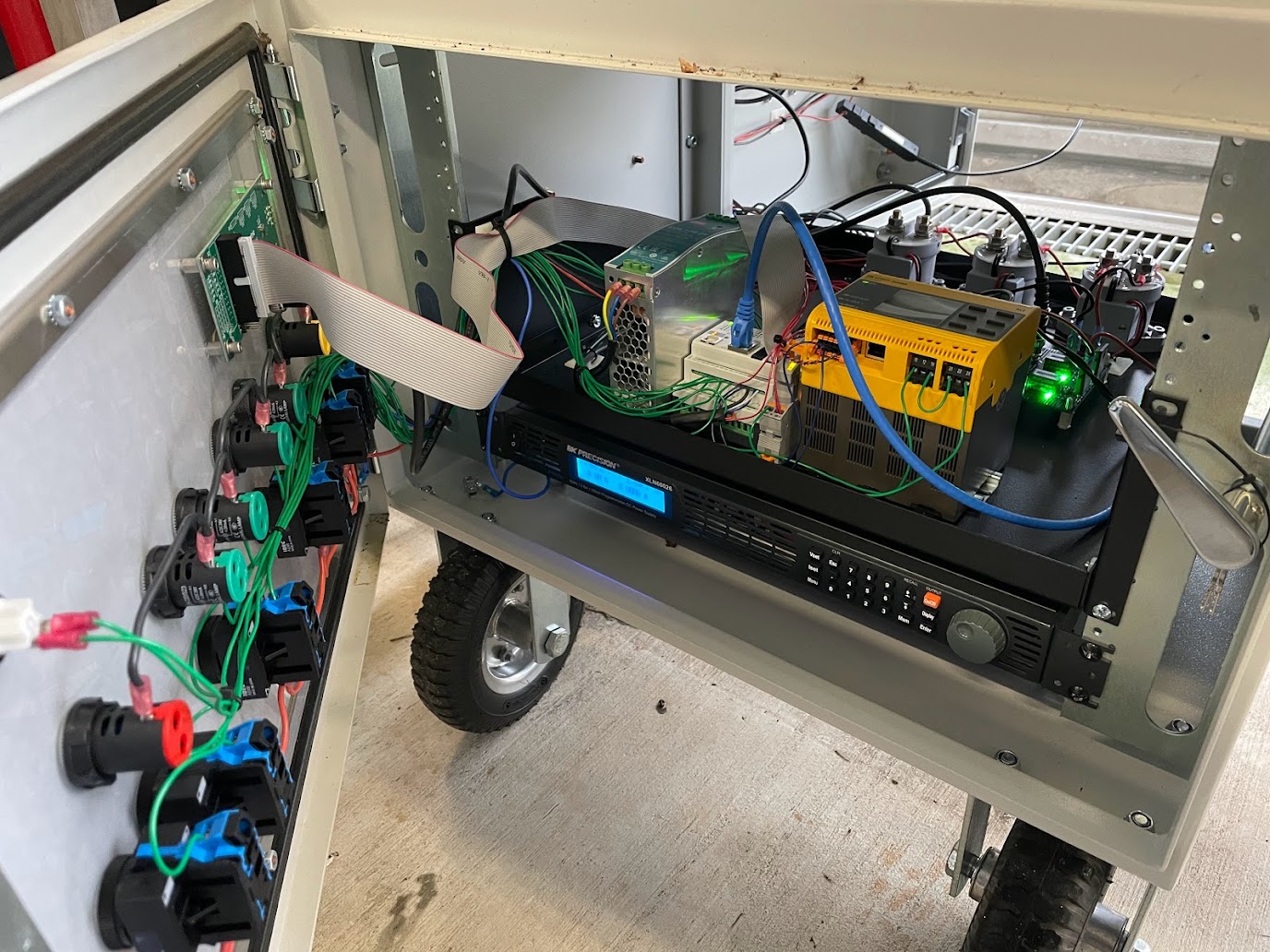
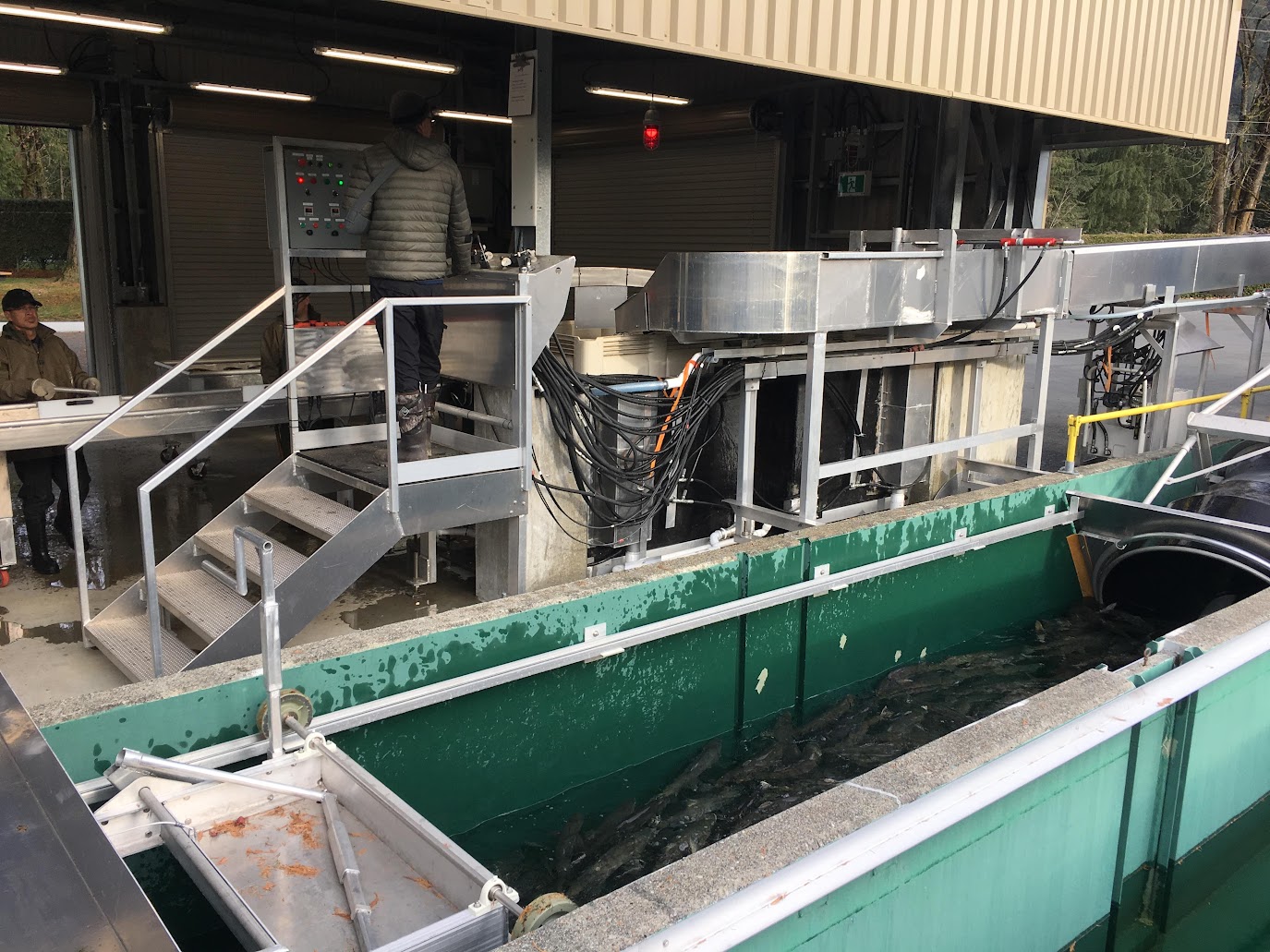
An isolated power supply for the humane electro-euthanasia of salmonids at Inch Creek Hatchery in Mission, BC. The hatchery's off-the-shelf units were unreliable and awkward to service in a wet, demanding environment.
I replaced them with a smaller, simpler, more robust custom solution — a properly isolated supply engineered for safety and repeatable operation, with fewer parts to fail and a footprint that fits the way the hatchery actually works.
From the connected-product architecture down to the copper — and out to the field where it has to work.
Architecture and design for connected products and their cloud/edge interfaces.
Robust over-the-air update paths with safe rollback and field recovery.
PD role negotiation, BC 1.2, and power-path design for modern devices.
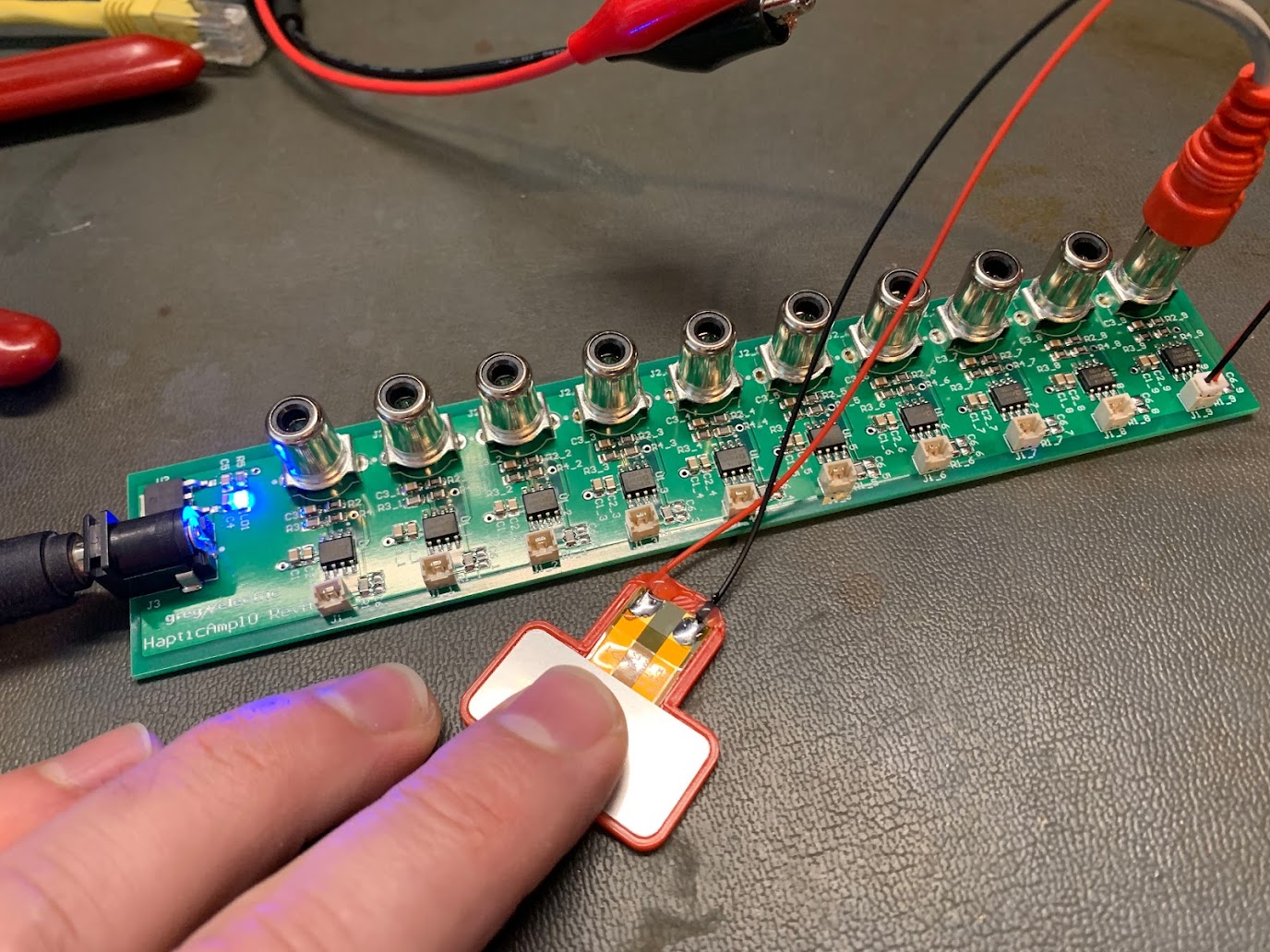
Fast, credible prototypes to de-risk a concept before committing.
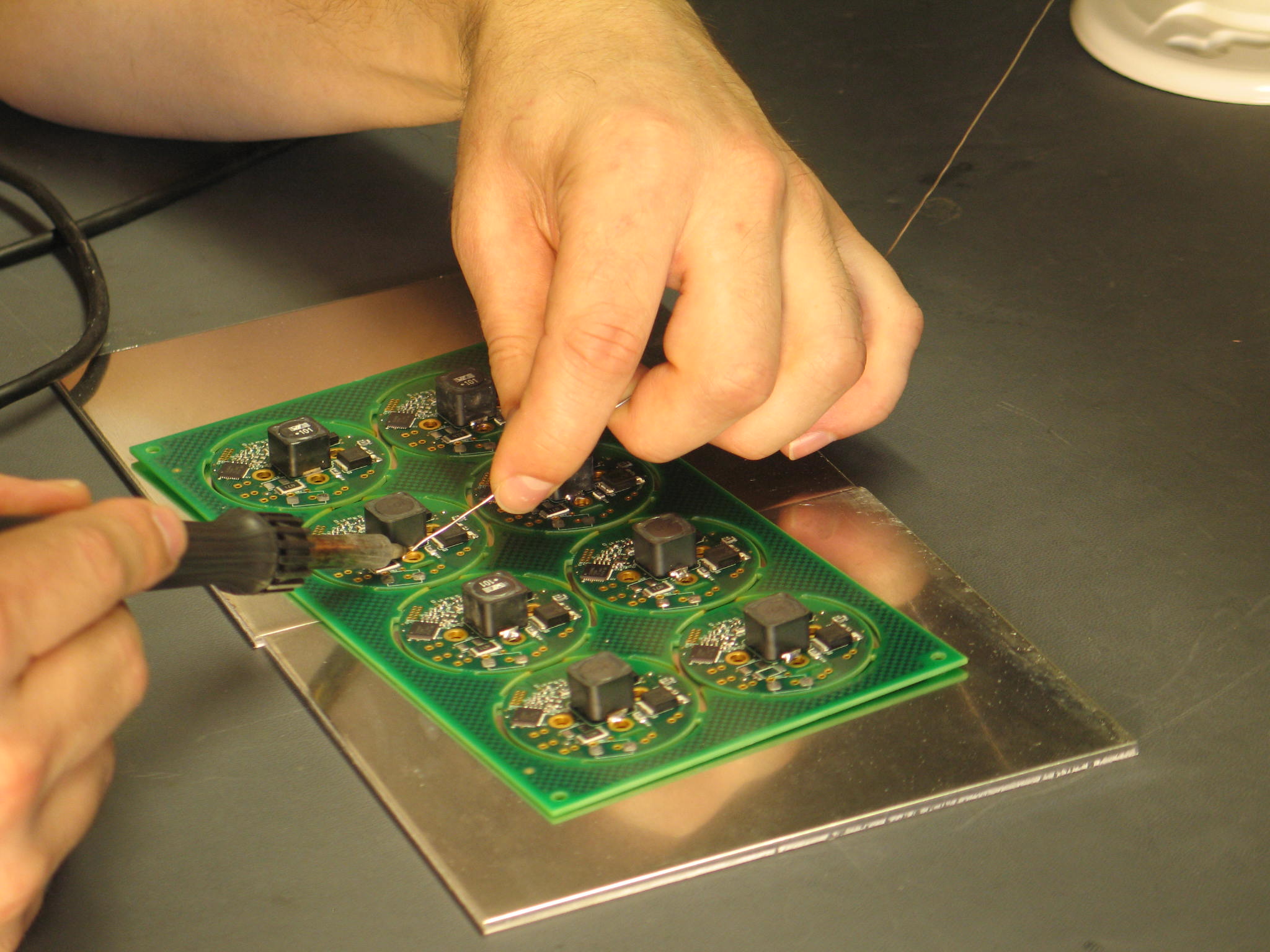
Clean schematics and manufacturable, signal- and power-aware layouts.
Cost, sourcing, lifecycle, and second-source strategy for production.
Bare-metal and RTOS firmware, written and validated against the hardware.
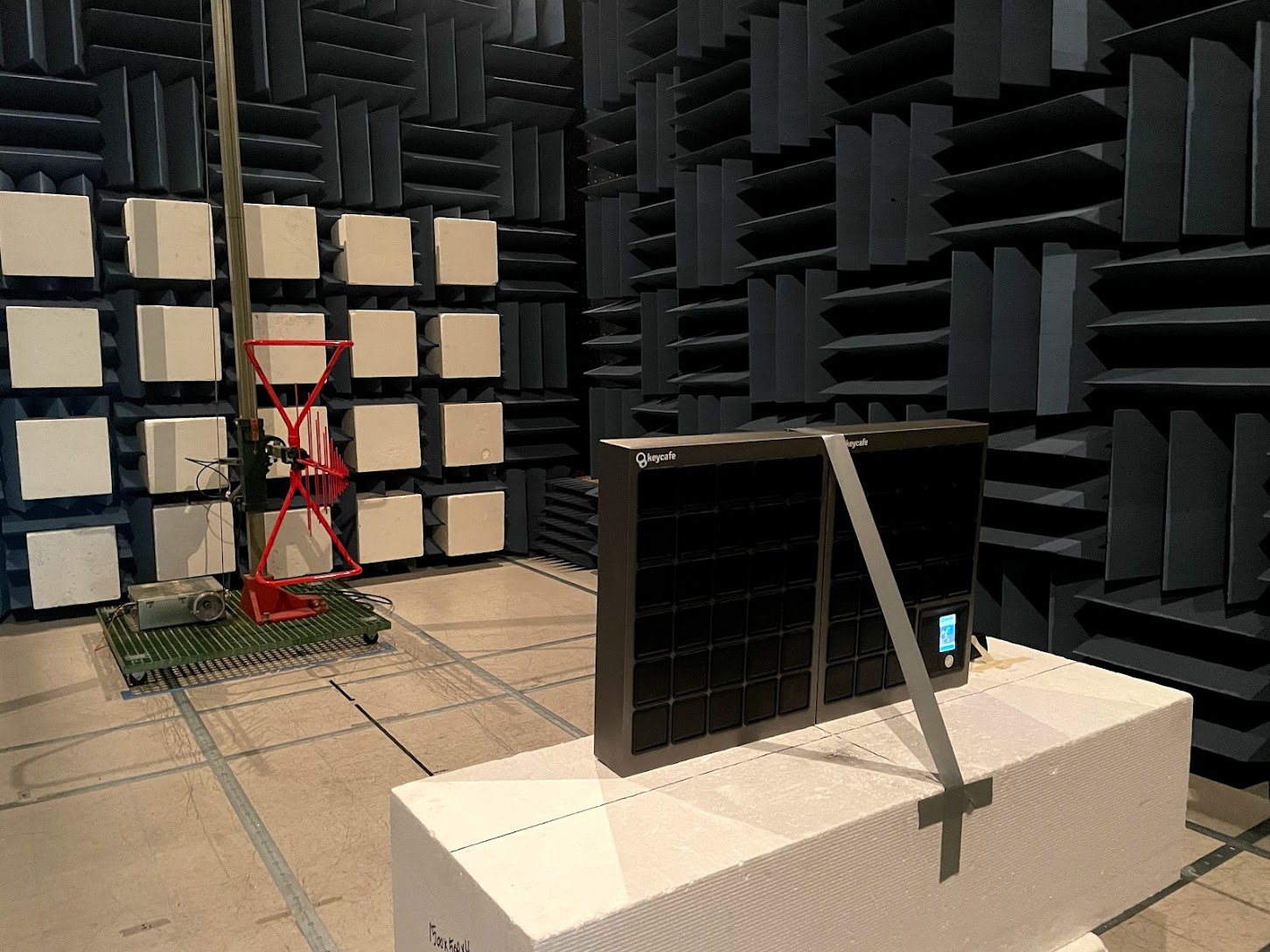
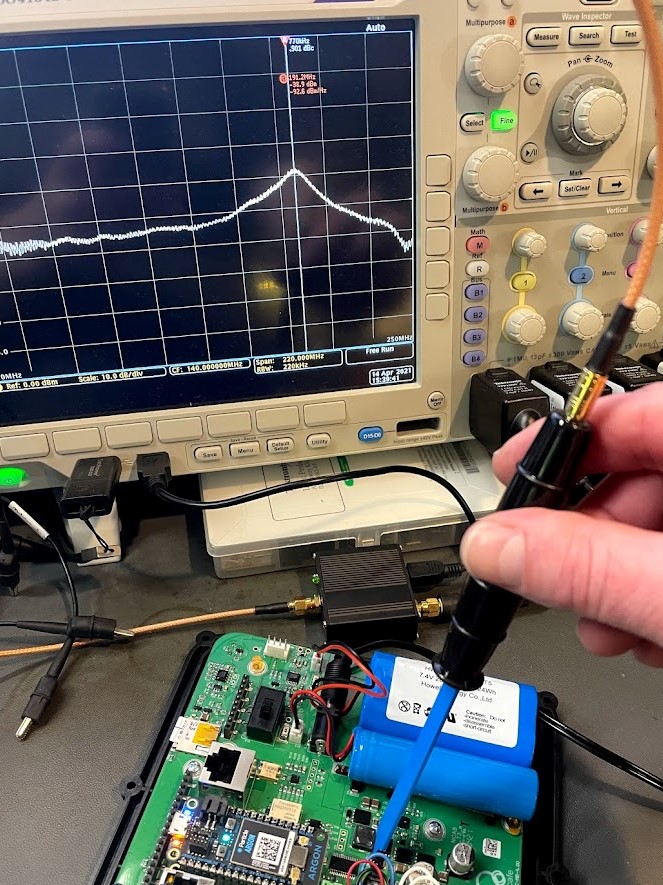
Design-for-compliance and support through certification testing.
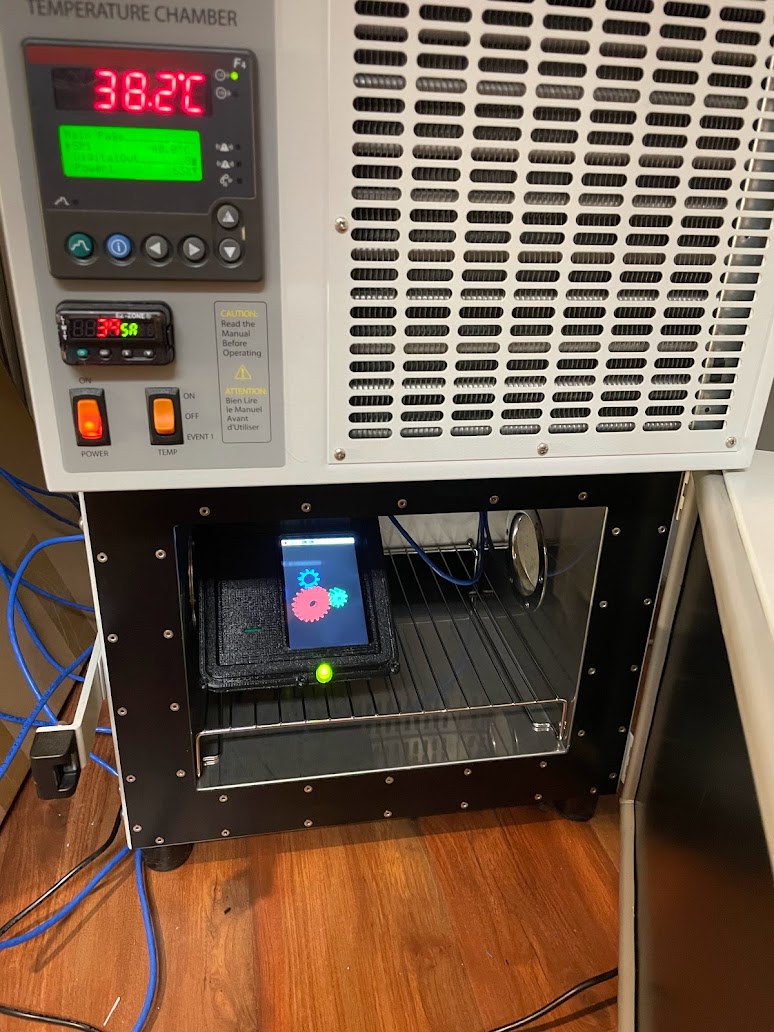
Designing for — and verifying against — real operating conditions.
Integrating electronics with enclosures, connectors, and mechanisms.
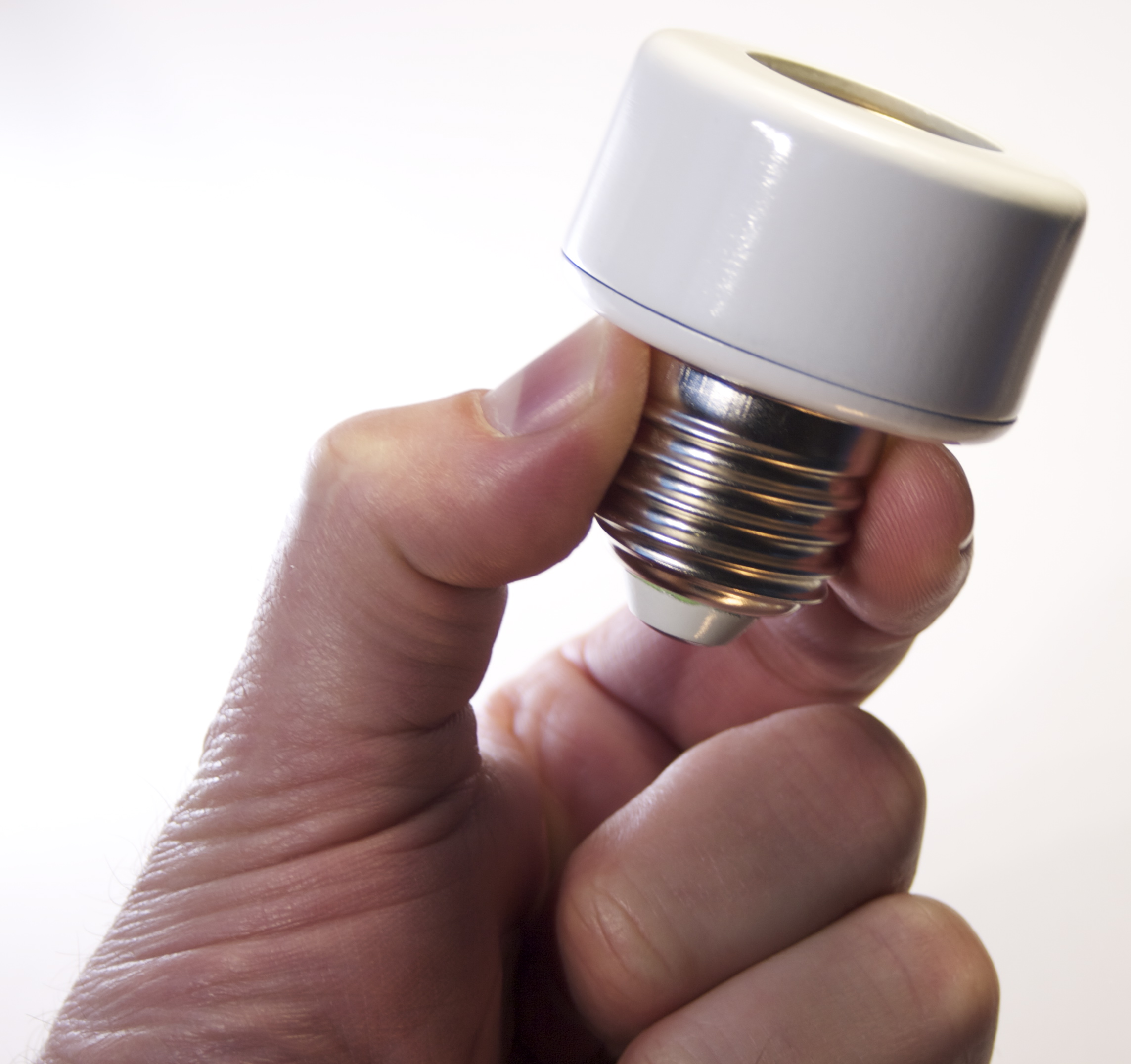
Bringing devices into industrial and home automation ecosystems.
Recovering, documenting, and extending undocumented or legacy designs.
Hands-on commissioning and field support where the hardware lives.
// client logos — placeholders, replace in assets/images
Tell me about the device, the problem, and where it is today. If it's a good fit, I'll tell you how I'd approach it — and if it isn't, I'll say so.